
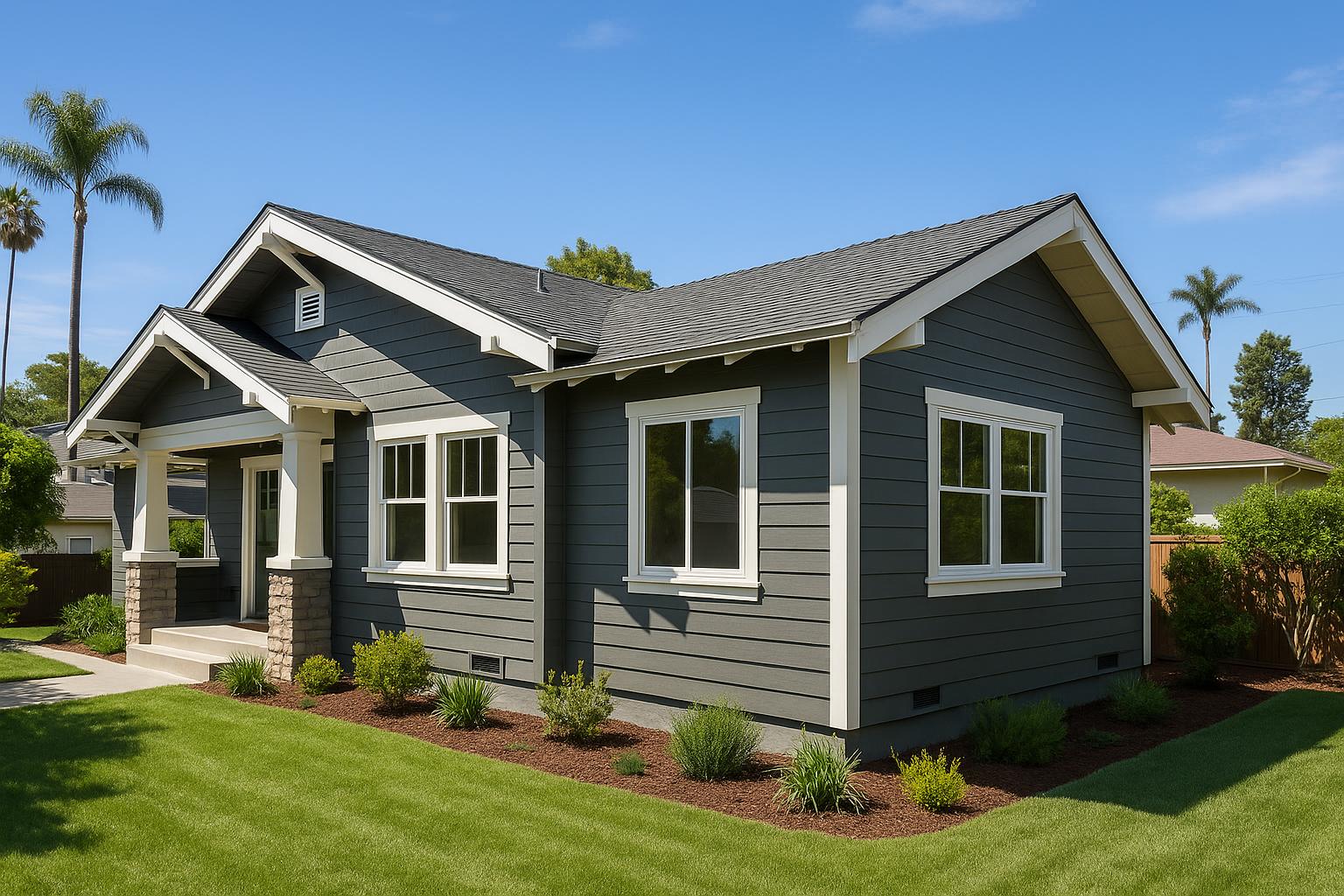
Why San Diego Homeowners Are Adding Rooms Instead of Moving
San Diego's housing market has never been what you'd call affordable. With median home prices consistently ranking among the highest in California, many homeowners are discovering that adding a room to their existing home makes far more financial sense than buying a bigger one. Whether you need a home office, an extra bedroom for a growing family, or a guest suite for visiting relatives, a well-planned room addition can deliver exactly the space you need — without the headaches of house hunting, bidding wars, and moving trucks.
But room additions aren't as simple as framing up four walls and calling it a day. There are permits to pull, foundations to pour, and design decisions that affect how the new space connects with the rest of your home. Here's a straightforward guide to planning a room addition in San Diego so you can avoid common pitfalls and get the space you actually want.
Start With the "Why" Before the "What"
Before you start browsing Pinterest for inspiration, take a step back and clarify the purpose of your addition. This sounds obvious, but skipping this step is one of the most common reasons homeowners end up disappointed with the final result.
Ask yourself these questions:
- What specific problem are you solving? Is your family outgrowing the house? Do you need a dedicated workspace? Are you planning for aging parents to move in?
- How will this room be used daily? A playroom for young kids has very different requirements than a primary suite or a home gym.
- Does this addition need its own bathroom or kitchenette? Adding plumbing significantly affects both cost and timeline.
- Are you planning to sell within the next few years? If so, you'll want to focus on additions that offer the best return on investment, like an extra bedroom or bathroom.
Getting clear on your goals upfront helps your contractor design a space that truly works for your life, not just one that looks good on paper.
Understanding San Diego Permits and Zoning
Room additions in San Diego require building permits — there's no way around it. The City of San Diego's Development Services Department oversees the permitting process, and the requirements vary depending on your neighborhood, lot size, and the scope of your project.
Here are a few things to be aware of:
- Setback requirements: Your addition must maintain a minimum distance from property lines. These setbacks vary by zone.
- Floor Area Ratio (FAR): The city limits how much of your lot can be covered by structures. Your addition needs to stay within these limits.
- Coastal overlay zones: If you live near the coast, additional regulations from the California Coastal Commission may apply.
- HOA restrictions: Many San Diego communities have homeowners associations with their own architectural guidelines that go beyond city requirements.
A reputable local contractor will handle the permit process for you, but it helps to understand what's involved so you can set realistic expectations for your timeline. Permit approval in San Diego can take anywhere from a few weeks to several months depending on the complexity of your project.
Budgeting Realistically for Your Addition
One of the first questions homeowners ask is, "How much will this cost?" The honest answer is that it depends on a lot of factors, but here's a general framework to help you plan.
Key Cost Factors
- Size of the addition: A 200-square-foot bedroom addition costs significantly less than a 600-square-foot primary suite with a full bathroom.
- Foundation work: Depending on your lot's topography and soil conditions — both of which vary widely across San Diego — foundation costs can range from straightforward to complex.
- Plumbing and electrical: Adding a bathroom, laundry hookups, or a kitchenette requires running new lines, which increases costs.
- Roofline integration: The best additions look like they were always part of the original house. Matching your existing roofline, siding, and architectural details takes skilled craftsmanship.
- Interior finishes: Flooring, paint, lighting, cabinetry, and fixtures all contribute to the final price tag.
As a rough benchmark, room additions in the San Diego area typically range from $250 to $450+ per square foot, depending on the level of finish and complexity. Budget an additional 10-15% as a contingency for unexpected issues that arise during construction — because they almost always do.
Design Tips That Make Your Addition Feel Like It Belongs
Nothing devalues a room addition faster than making it look like an afterthought. Here are design principles that ensure your new space blends seamlessly with your existing home:
- Match the roofline: A mismatched roof is the most visible sign of a poorly planned addition. Your contractor should integrate the new roofline with the existing structure so it looks intentional.
- Continue the flooring: Using the same flooring material — or a complementary one — throughout the transition from old to new space creates visual continuity.
- Align ceiling heights: Stepping up or down between rooms feels awkward. Keeping ceiling heights consistent makes the addition feel like a natural extension of your home.
- Consider natural light: San Diego gets over 260 sunny days per year. Take advantage of that with well-placed windows, skylights, or even a sliding glass door that opens to your yard.
- Think about flow: How will you move between the new room and the rest of the house? Hallways, doorways, and sight lines all matter.
How Long Does a Room Addition Take?
Timelines vary, but here's a general breakdown for a typical room addition project:
- Design and planning: 2-4 weeks
- Permitting: 3-8 weeks (sometimes longer in San Diego)
- Construction: 8-16 weeks depending on size and complexity
From initial consultation to move-in day, most homeowners should plan for 3 to 6 months total. Projects that involve significant plumbing, electrical, or structural work may take longer. Weather delays are rare in San Diego compared to other parts of the country, which is one advantage of building here.
Choosing the Right Contractor for Your Room Addition
Your contractor is the single biggest factor in whether your room addition goes smoothly or becomes a cautionary tale. Here's what to look for:
- Local experience: A contractor familiar with San Diego's building codes, soil conditions, and permitting process will save you time and headaches.
- Licensed and insured: Verify their California contractor's license through the CSLB website. Don't skip this step.
- Clear communication: You want a contractor who explains the process, provides detailed estimates, and keeps you updated throughout the project.
- Portfolio of similar work: Ask to see completed room additions, not just kitchen or bathroom remodels. The skills required are different.
- References you can actually call: Talk to past clients about their experience, not just the final result.
Ready to Add the Space Your Home Is Missing?
A room addition is one of the most impactful investments you can make in your San Diego home. It gives you the space you need, adds real value to your property, and lets you stay in the neighborhood you already love. The key is planning carefully, budgeting honestly, and working with a contractor who treats your home like it matters — because it does.
At Brightstar Contractors Co, we help homeowners across San Diego, Chula Vista, La Mesa, El Cajon, and the surrounding communities plan and build room additions that feel like they were always part of the house. If you're ready to start the conversation, we'd love to hear about your project.